Measure the available space at maturity
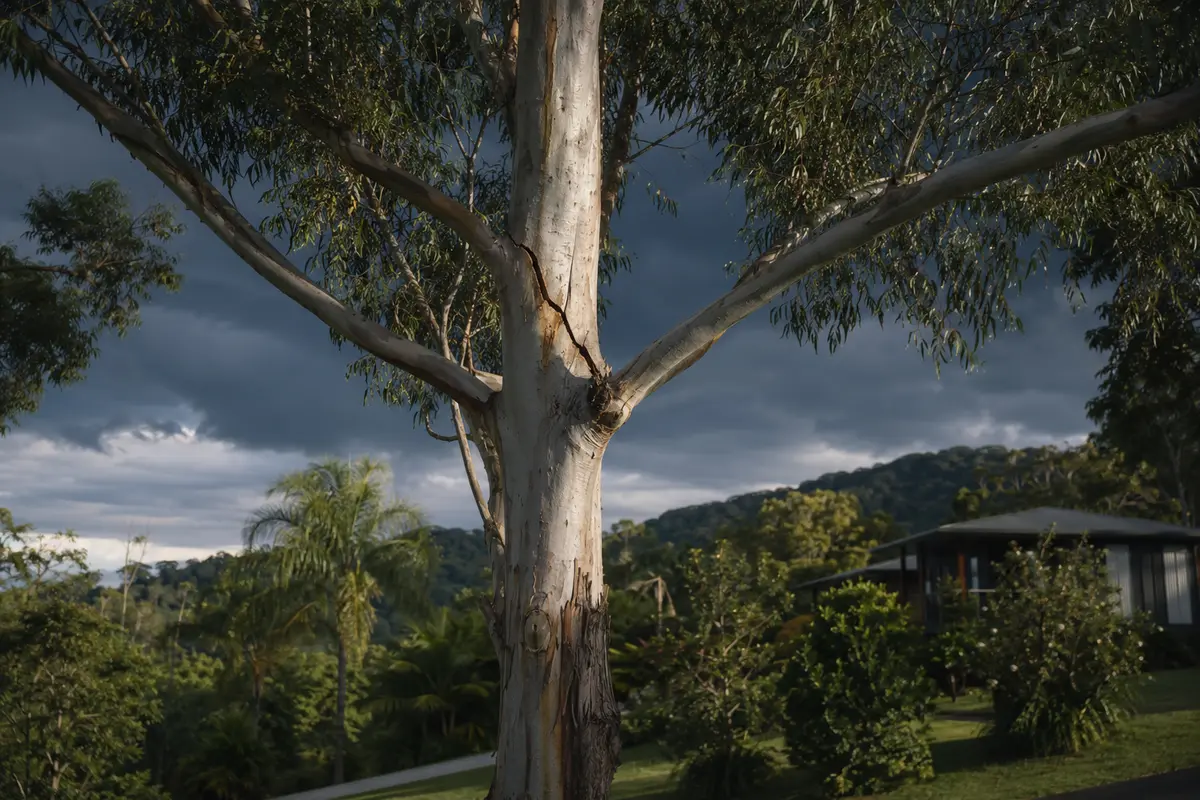
Record distance to buildings, fences, overhead wires, underground services, driveways and neighbouring structures. Consider height as well as canopy width. A narrow garden may suit a smaller or more upright form, while an open area can support a broader shade tree.
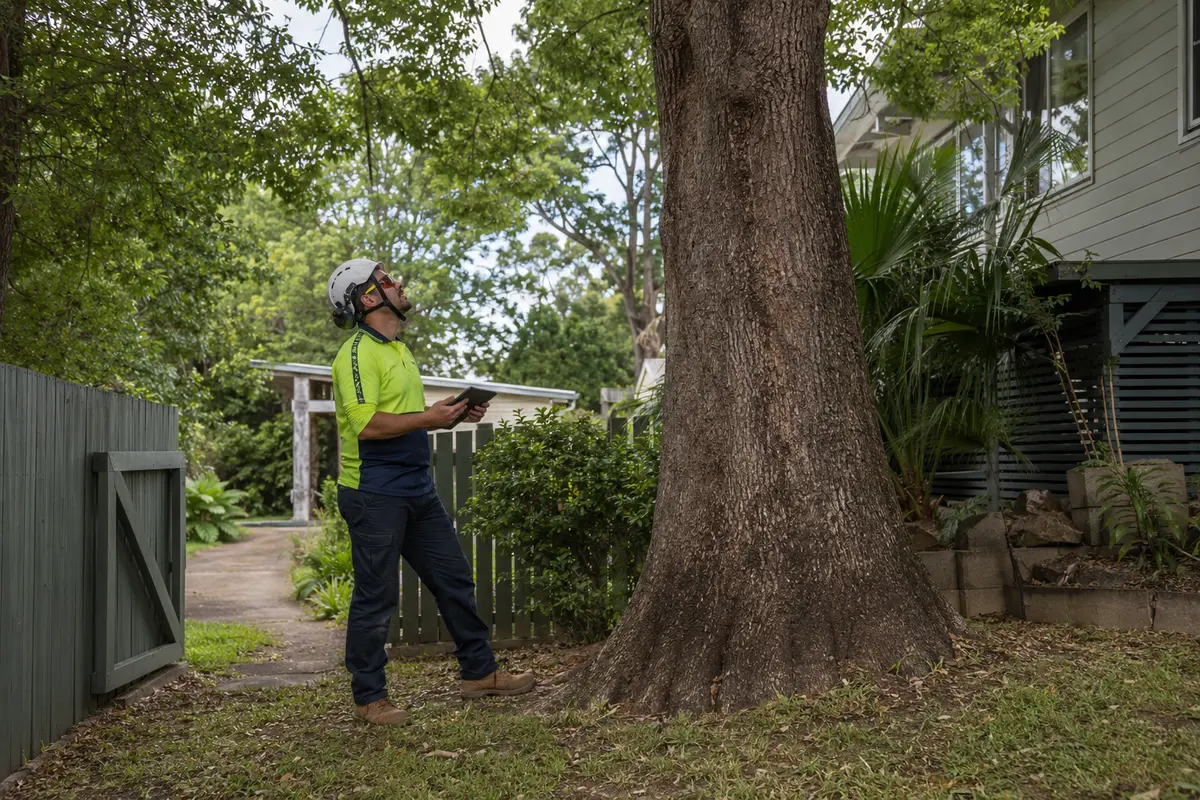
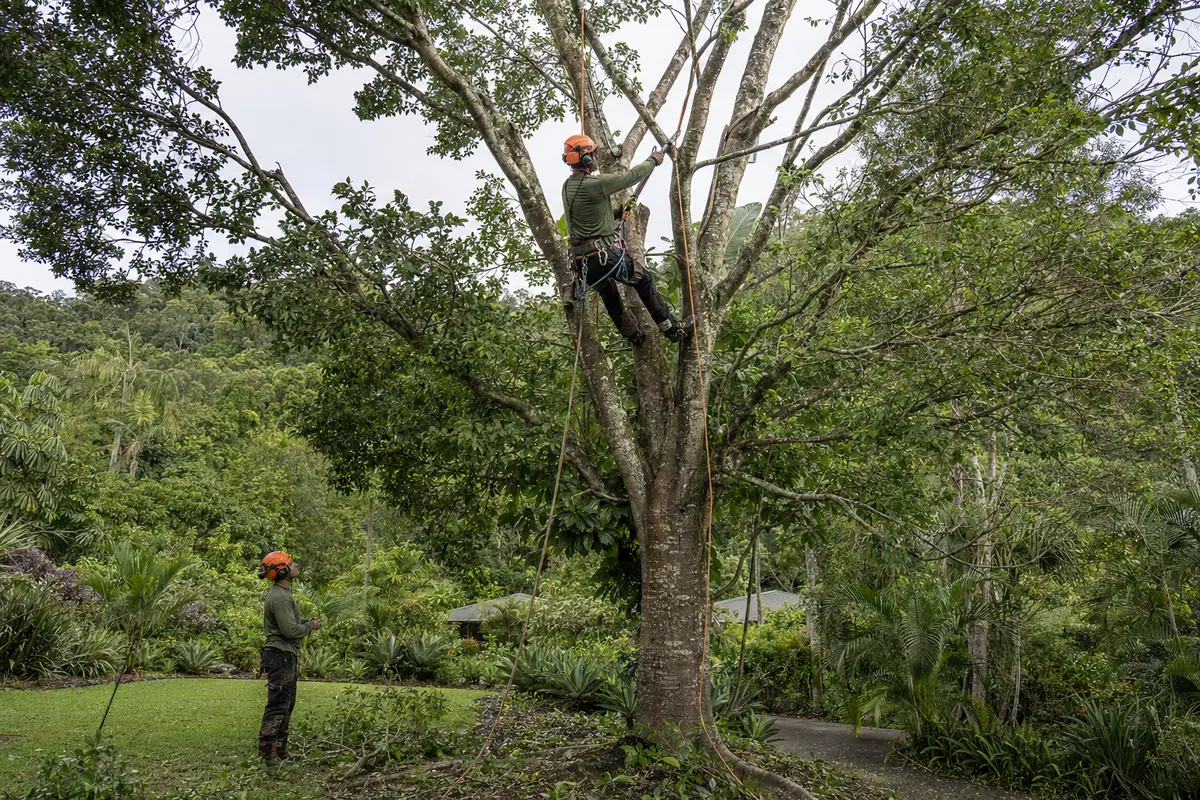
Allow room for access and maintenance. Even a well-chosen tree may need inspection, pruning or storm clean-up, and crews require a safe way to reach it.
Match the tree to soil, water and exposure
Lismore and surrounding districts include flood-prone flats, slopes, heavier soils and better-drained ridges. Observe whether the planting point remains wet after rain, dries quickly, receives reflected heat or is exposed to strong wind.
A species adapted to the conditions is more likely to establish a sound root system and maintain healthy growth. Avoid solving persistent drainage problems simply by adding a tree; the site may need broader attention.
Think about daily life beneath the canopy
Fruit, flowers, leaves, bark and small branches are normal outputs of trees. Decide whether those materials are compatible with a pool, path, car space or entertaining area. Consider allergies, thorns, toxicity to pets and the amount of shade wanted in winter and summer.
Wildlife value may be a priority, but large fruit or dense habitat close to a roof can bring practical trade-offs. The right location can retain benefits while reducing conflict.
Look beyond fast growth
Fast establishment is appealing, yet rapid growth can also mean larger mature dimensions and more frequent management. Research branch structure, expected lifespan and common problems in the local climate rather than choosing by growth rate alone.
Local native does not automatically mean suitable for every small block. Choose from credible nursery and arboricultural information, and verify botanical names because common names can refer to different plants.
Practical checklist
✓ Check mature height and spread✓ Locate overhead and underground services✓ Observe drainage through wet and dry periods✓ Consider normal leaf, fruit and bark drop✓ Plan access for future maintenance✓ Allow for neighbours and solar accessPlant and establish for long-term structure
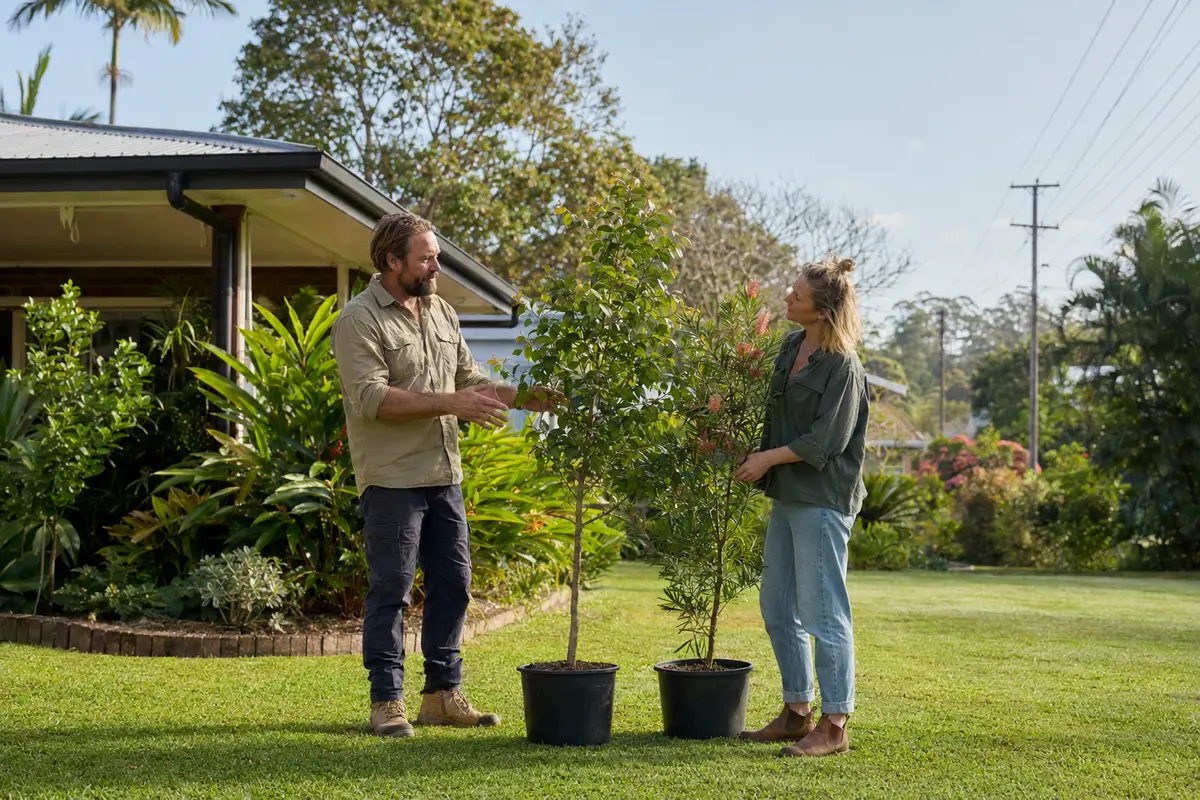
Plant at the correct depth, keep the root flare visible, water according to soil and weather, and use mulch as a broad shallow layer rather than a mound against the trunk. Stakes should support only when needed and be removed before they constrict growth.
Early formative pruning can address competing leaders or poorly placed branches with smaller cuts than would be needed later. Avoid repeatedly raising the canopy too early; lower branches help the young trunk develop.
KEEP EXPLORING
Advice connected to local help
COMMON QUESTIONS
Questions about this topic
How far should a tree be planted from a house?+
There is no single distance for every species and site. Use mature canopy and root characteristics, building type, services and access to choose an appropriate setback.
Are native trees always lower maintenance?+
Not necessarily. Native species vary enormously in size, branch habit, fruit, bark and site tolerance. Suitability matters more than the label alone.
Can I plant where a stump was ground?+
Often it is better to offset the new tree into undisturbed soil because old roots and grindings can settle and affect establishment.
TALK ABOUT YOUR TREE
Get advice for the actual site
Share the suburb, tree, access and what has changed so the next step can be assessed properly.
Contact us →